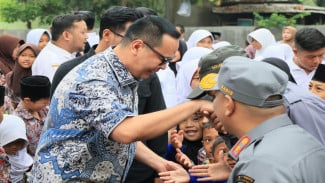
List of Interesting and Unique Facts from the Tengger Tribe

- timesindonesia.co.id


VIVA – Indonesia is rich in diversity ethnicity, and culture. Indonesia also has some tribes that spread around regions, such as the Tengger Tribe.

The Tengger tribe are people who have lived in the area at the foot of Mount Bromo for generations, covering the areas of Malang Regency, Lumajang Regency, Pasuruan Regency, and Probolinggo Regency.
Tengger is taken from the names of Roro an-Teng and Joko se-Ger. Roro Anteng is the daughter of Brawijaya and Joko Seger the son of a Brahmin. According to legend, both were husband and wife.

They are bound to God to give up their youngest son, Raden Kusuma, with this being the beginning of the Kasada ceremony. Well, here is a list of interesting and unique facts about the Tengger Tribe.
1. Language

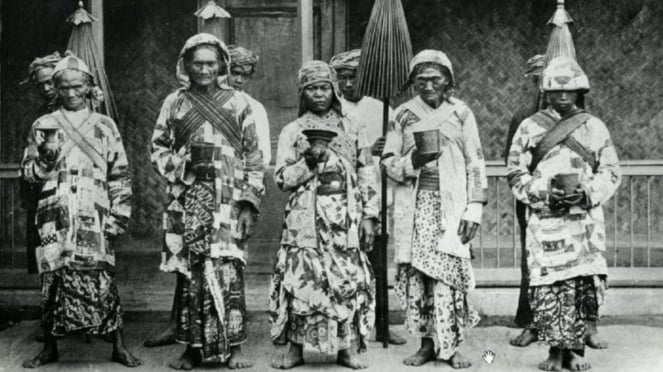
Suku Tengger, suku yang mendiami dataran tinggi Broto Tengger Semeru, Jawa Timur
- nusantara.news
The language used by the Tenggerese people is Javanese with the Tengger dialect. The most striking feature of the use of this language is that there are still words in the ancient Javanese language. The sound "a" at the end of a syllable, is pronounced "o" like most Javanese dialects of Central Java or East Java.
So, examples of the use of the Tenggerese dialect are ingsun (me), rika (you), paran (what). The use of language also recognizes levels such as kromo and ngoko.
2. Use of Sarong

Suku Tengger, suku yang mendiami dataran tinggi Bromo Tengger Semeru, Jawa Timur
- memotimurlumajang.id
If people see the Tenggerese people still often use sarongs, and it turns out to have meaning. Besides functioning to protect body temperature from the cold mountain air, sarongs are also believed to work to control behavior and speech. Well, the use of this sarong is still carried out by almost all Tengger people, from young to old, male and female.
3. Kasada Ceremony

Tradisi Grebeg Tirto Aji Suku Tengger Bromo
- VIVA.co.id/Dyah Pitaloka
The Kasada ceremony is carried out as a form of offering to Sang Hyang Widi as a form of gratitude for the gifts given to the Tengger Tribe people.