Scientists Optimistic Find Medicine for Alzheimer’s Treatment

- pixabay


However, the trial was not without its caveats, as some participants experienced adverse side effects. One in ten reported suffering from swelling in the brain, called amyloid-associated imaging disorder, known as ARIA, while 1 in 6 had a brain hemorrhage.

While such complications do not mean lecanemab cannot be administered, "it is important to have strict safety monitoring for people receiving lecanemab, and further trials to fully understand and mitigate these risks," John Hardy remarked.
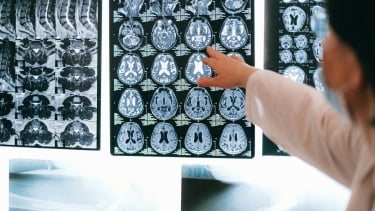
"Patients need to be monitored by MRI. However, this will certainly increase the burden and cost of therapy," added Hardy.

Not to mention that the trial only involved people with early Alzheimer's, which raises the question of whether patients will be able to access the treatment of their disease has progressed. Regardless, study researchers concluded that "longer trials are needed to determine the efficacy and safety of lecanemab in early Alzheimer's disease."
Despite the risks, brain experts remain optimistic about lecanemab's potential to reduce cognitive decline caused by Alzheimer's.

"The overall conclusion is very positive. This trial proves that Alzheimer's disease can be treated." Professor Bart De Strooper, director of the UK DRI remarked.
Lecanemab has been granted "priority review" by the US Food and Drug Administration, which means they will decide whether to approve it for public consumption within six months.
Fakta Mengejutkan! Otak Pria Menyusut Lebih Cepat Seiring Bertambahnya Umur, Kenapa?
Studi terbaru ungkap otak pria menyusut lebih cepat dari wanita seiring usia. Namun, justru wanita lebih rentan Alzheimer. Apa hubungan keduanya? Selengkapnya di sini!