Rainy Season, Know How Thunderstorm Form

- Fernando Flores/Wikimedia
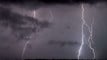

2. By the time a thunderstorm reaches its mature stage, the cloud can grow to great heights, often reaching 12 km or more. Even at the top of thunderstorm clouds, it can reach the tropopause layer, a layer board where all elements of oxygen and carbon dioxide are no longer present.

As a result, rain is produced and the downward friction force is suppressed by the raindrops that fall around the airspace which produces a downdraft (air moving downward). Then the process of cooling the air mass because of raindrops will increase the speed of the downdraft.
The updraft and downdraft rates are relatively weak, around 10m/sec, and they can influence each other.

3. In the decay stage, rain will spread throughout the thunderstorm cloud and the downdraft becomes wider. The updraft weakens, the storm begins to run out of hot moist air supply as fuel, and finally the thunderstorm cloud will decay.
Light rain and wind can remain for a while at this stage, before all that is left is the cloud remnants of the anvil part of the cumulonimbus cloud.


Melonjak 69 Persen, MSIG Life Bukukan Laba Bersih Rp 181 Miliar di Semester I-2026
PT MSIG Life Insurance Indonesia Tbk (MSIG Life) membukukan laba bersih sebesar Rp 181 miliar di semester I-2026, atau meningkat signifikan mencapai 69 persen secara yoy.