Cure for Stephen Hawking’s Disease Discovered by Scientists

- U-Report


VIVA – Russian scientists from the National Research University ‘Belgorod State University (BelSU), as part of an international research team have demonstrated the effectiveness of treating amyotrophic lateral sclerosis (ALS) with a bioavailable derivative of vitamin B1.

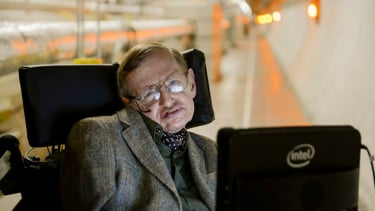
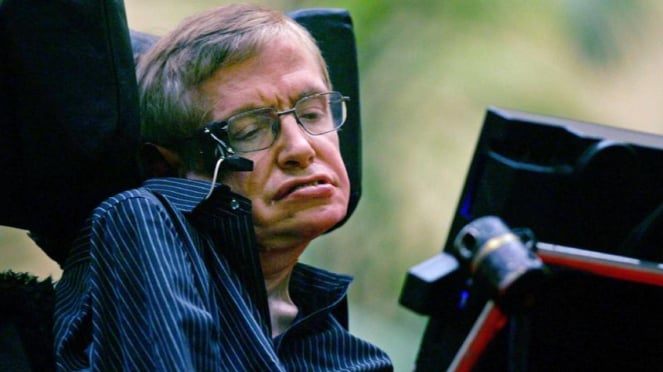
Amyotrophic lateral sclerosis (ALS) is a fatal neurological disease characterized by rapid degeneration. The most famous patient suffering from this disease was the theoretical physicist, Stephen Hawking.
According to the WHO, the incidence of this disease is 2.5 cases per 100,000 people, which means that in Russia there are approximately 7,500 patients.

There are hereditary forms of the disease when the descendants inherit the "broken" gene from their parents. There is also a non-hereditary form of the disease, where the risk is roughly 1 in 300 and increases with age (the most at-risk being men, military personnel, smokers, and handball players).
Stephen Hawking
- businessinsider.com

BelSU has shown that the drugs at present used to treat ALS prolong patients' lives by only two to three months, as reported by Sputniknews site, on Friday.
As part of an international team of scientists, they conducted research on an animal model of amyotrophic lateral sclerosis created in Russia - FUS transgenic mice. These mice develop the same symptoms of the disease as humans, and without treatment, they die of paralysis at the age of four months.
The model created by scientists makes it possible to study drugs that are showing promise without traumatizing patients.
The scientists' experiments on transgenic mice have confirmed that the treatment reduced levels of inflammatory signaling molecules in the spinal cord. The study results were published in the peer-reviewed medical journal Biomedicine & Pharmacotherapy.
"We have found that the studied bioavailable vitamin B1 derivative (O, S-Dibenzoyl Thiamine), which is a powerful antioxidant, showed efficacy against ALS in transgenic mice. The mice that received the treatment showed greater mobility, less weight loss, and less brain damage," Associate Professor at the BelSU Department of Pharmacology and Clinical Pharmacology, Director of the Joint Center for Genetic Technologies, Alexei Deikin stated.