NASA Discovers an Unusual Asteroid Could Spew Rocks into Space

- NASA


VIVA – NASA is known to have a mission to save Earth from asteroid collisions, so they conducted a DART (double asteroid redirection test) by crashing a spacecraft into the asteroid Dimorphos. But recently, scientists have discovered something unusual about the Dimorphos system. Its parent, Didymos, can spew rocks into space with every rotation.

The astronomers behind the new discovery say it is spinning so fast that the asteroid Didymos may be capable of releasing a stream of rubble into space around it. This revelation raises new questions about the solidity of asteroids.
Asteroids are generally thought of as solid objects. While it is known that asteroids can be made up of tons of smaller, less dense objects, this discovery is the first time researchers have seen an asteroid spewing rocks into space.


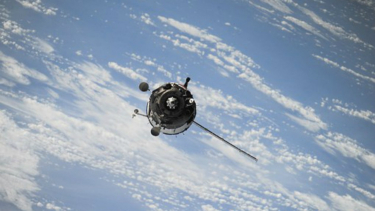
Pesawat DART NASA menabrak asteroid Dimorphos.
- NASA
It presents an unusual perspective of asteroids — which have, for the longest time, simply appeared to be bland, stagnant rocks barreling through space. However, based on the discovery that Didymos may be releasing material into space, scientists can learn more about the dynamic nature of these celestial objects.

But based on the discovery that Didymos may be releasing material into space, scientists can learn more about the dynamic nature of these celestial bodies.
Furthermore, this discovery could lead to new revelations about how Didymos' smaller companion Dimorphos came into existence. The belief is that the asteroid Didymos was originally alone. However, it was spinning so fast that it ejected enough material to create Dimorphos.
Obviously, to prove any of this is another matter. However, as astronomers continue to observe Didymos in the future, they may find more clues about the possible flow of rocks that the asteroid released into space around it.
NASA Ingin Mendaratkan Manusia ke Bulan Tahun 2028
Badan Penerbangan dan Antariksa Nasional Amerika Serikat (NASA) mengumumkan rencananya untuk mendaratkan antariksawan ke Bulan pada 2028 dalam rangka misi Artemis IV