Eating Fried Foods May Cause Risk of Anxiety and Depression

- U-Report



VIVA – Recently, new research suggest that what we eat may not only affect us physically but mentally too. Specifically, a new study conducted at tje St. Louis School of Medicine at Washington University has linked a diet high in the consumptipn of fried food with increased risk of anxiety and depression.

The study involved 140,728 people and revealed that regular consumption of fried foods carries a 12% and 7% higher risk of anxiety and depression, respectively.
The researchers conclude that frequent fried food consumption is “strongly associated” with a higher risk of anxiety and depression due to a contaminant in fried foods known as acrylamide.

This contaminant was shown to trigger neuroinflammation and lipid metabolism disturbance, which can affect mental health.
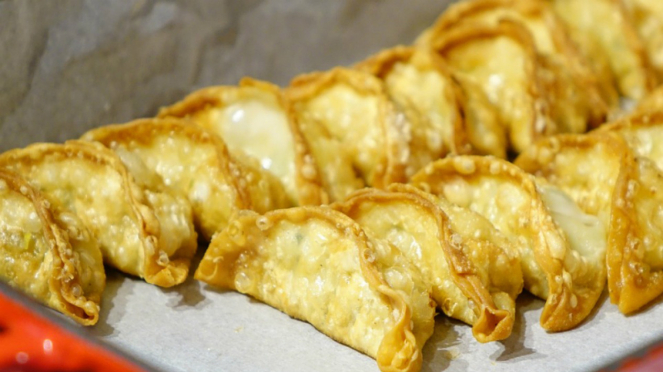
Ilustrasi gorengan.
- Pixabay

While these findings may be disappointing to lovers of fried foods, they also offer a silver lining. By paying closer attention to what we eat, we may be able to help reduce our risk of some mood disorders.
“The connection between food and mood is far more complex than is sometimes reported. However, there are certainly dietary patterns that appear to be protective,” says Rohini Bajekal, a nutritionist and a board-certified lifestyle medicine professional at Plant Based Health Professionals, as quoted on Friday.
“The results of this study are in line with what we would expect to see and are further confirmation of decades of research showing that fried and unhealthy foods in the standard Western diet increase the risk of common chronic diseases and mental health conditions,” Bajeka continued.
One of the reasons that fried foods are associated with higher instances of anxiety and depression is that they cause inflammation in the body which is correlated with anxious and depressive symptoms.
Megan Hilbert, a registered dietitian at Top Nutrition Coaching, cites a 2017 study called the SMILES Trial that notes that mental health outcomes were greatly improved when a control group followed a diet high in anti-inflammatory foods for 12 weeks.