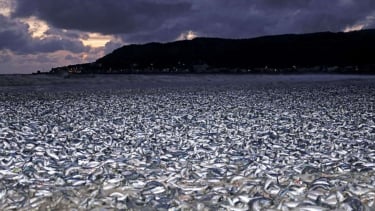
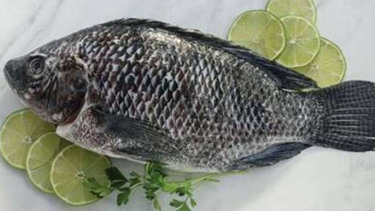
Indonesian Java Stingray Marks First Marine Fish Extinction

- Mongabay


The updated Red List also highlights successful conservation efforts, as seen in the scimitar-horned oryx, which has progressed from “extinct in the wild” to “endangered” due to successful reintroduction in Chad.

Similarly, the previously “critically endangered” saiga antelope has improved to “near threatened” after the population increased by 1,100% in just seven years, mainly in Kazakhstan, due to strict anti-poaching measures.
However, both species still face growing climate change threats in their respective regions, with the oryx contending with increased droughts in the Sahel region of Africa and the antelope experiencing “mass mortality” in 2015 due to extreme temperatures and humidity.

Climate impact show in fish assessment
Globally, a quarter of freshwater fish species are at risk of extinction due to warming temperatures, overfishing and pollution, according to the first global freshwater fish assessment by IUCN, which was included in the latest Red List update.

The assessment includes the elusive Mekong giant catfish, whose population has come under duress due to dam construction and overfishing in the Lower Mekong region, as well as Atlantic salmon that saw a 23?crease between 2006 and 2020.
Climate change impacts at least 17% of endangered freshwater fish species, leading to declining water levels, the intrusion of seawater into rivers due to rising sea levels, and changing seasons, it found.

Download Minecraft Vanilla di HP Android Terbaru, Apa Perbedaan Versi Java dan Bedrock?
Download Minecraft Vanilla di HP Android secara resmi dan kenali perbedaan Java dan Bedrock Edition, mulai dari fitur, mod, multiplayer, hingga persyaratan perangkat.