Knowing History of Angpao in Chinese New Year

- Pixabay


Jakarta – Angpao, an integral part of Chinese culture, embodies the essence of tradition, symbolism, and generosity. Originating from ancient customs to protect loved ones from evil spirits, the vibrant red envelopes symbolize good fortune, happiness, and prosperity.

The act of giving Angpao during auspicious occasions like Chinese New Year reflects a deep-seated desire to spread blessings and goodwill to family members, friends, and colleagues.
With its rich history steeped in symbolism and superstition, Angpao transcends mere monetary value, serving as a tangible expression of respect, love, and kinship.

As times evolve, the tradition has adapted, finding its place in modern society through electronic transfers and digital platforms, yet its essence remains unchanged – a cherished symbol of unity and prosperity for both giver and receiver alike.
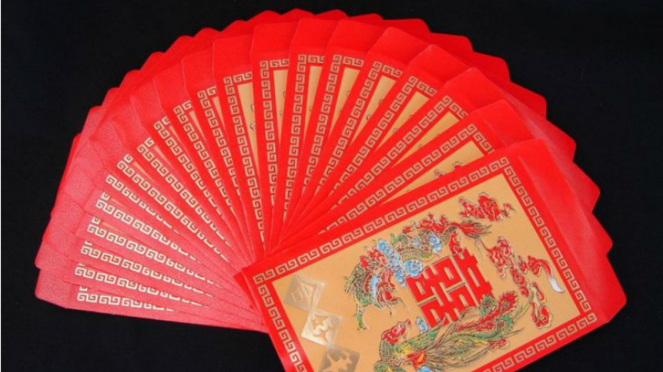
Amplop merah/angpao.

Whether filled with coins, bills, or digital credits, Angpao continues to weave threads of tradition, connecting generations and fostering bonds that endure beyond the celebrations of the moment.
Angpao itself has a unique history. During the Qin Dynasty in China, old people had the habit of tying coins with red thread. The money is called yāsuì qián which means "money exorcist".
It is believed to protect the elderly from illness and death. Then, Yāsuì qián replaced with red envelopes because the Chinese had invented the printing method.
This money is hereinafter referred to as yāsuì qián. The difference, characters sui used does not mean "evil spirit" but "old age".
When Can Angpao Be Used?
Parents will give Chinese New Year Angpao to their children at home. In addition, married couples, whether they have children or not, will usually give Angpao to those who are not married.
However, if someone is unmarried but has entered the age of 40 years, then they are still required to give red packets.