8 Interesting Facts about Kartini's Letters

- Tropenmuseum



The reason for not including all the letters found in the reference book "Door Duisternis Tot Licht" was due to similarities in some letters. Another reason was to maintain the narrative flow to resemble a novel.

3. Translated by Sulastin Sutrisno
Kartini's letters were also translated by Sulastin Sutrisno. Initially, Sulastin translated "Door Duisternis Tot Licht" at Leiden University, the Netherlands, while continuing her studies in literature in 1972.

Then, in 1979, a book containing Sulastin Sutrisno's complete translation of "Door Duisternis Tot Licht" was published.
Sulastin's collection of translated letters was titled "Surat-surat Kartini, Renungan Tentang dan Untuk Bangsa Jawa" ("Letters from Kartini, Reflections About and For the Javanese Nation").

He believed that despite being written in Javanese, what Kartini truly desired was the progress of the entire Indonesian nation. Sulastin's translation aimed to present all of Kartini's letters that existed in "Door Duisternis Tot Licht."
4. Translated by Joost Coté
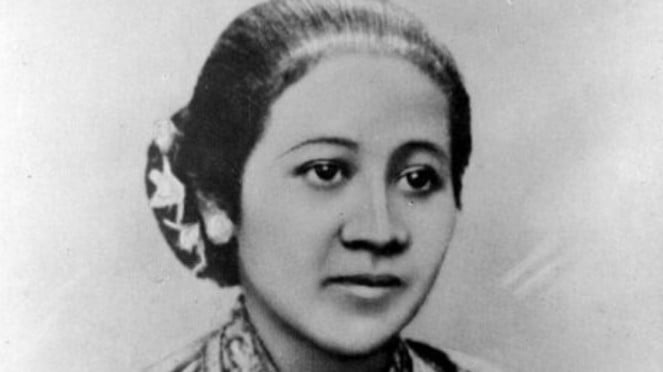
RA Kartini.
- Tropenmuseum
Another book containing translations of Kartini's letters is "Letters from Kartini, An Indonesian Feminist 1900-1904" by Joost Coté. He not only translated the letters from "Door Duisternis Tot Licht" by Abendanon but also translated all of Kartini's original letters to Nyonya Abendanon-Mandri from the latest findings.
In Joost Coté's translated book, one can find sensitive letters that were not included in Abendanon's "Door Duisternis Tot Licht" version. According to Joost Coté, Kartini's struggles and obstacles needed to be revealed.
5. Content of R.A. Kartini's letters
Most of her letters contained complaints and grievances, especially regarding Javanese culture, which she viewed as hindering women's progress. She advocated for women to have the freedom to seek knowledge and education.
Additionally, Kartini's letters often revealed the obstacles she faced in aspiring to be a more progressive Javanese woman.
6. Inspiring W.R Supratman
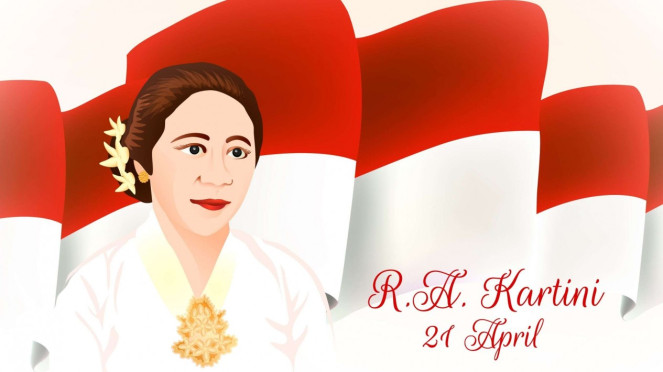
ilustrasi R.A Kartini
- freepik by freepik
The publication of Kartini's letters, written by an indigenous woman, attracted the attention of Dutch society, and Kartini's thoughts began to change Dutch perceptions of indigenous women in Java.