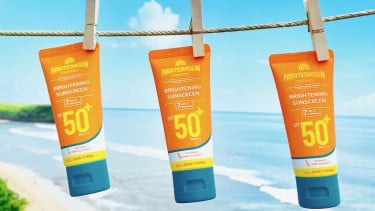
Sunscreen are Dangerous for Coral Reefs

- Pixabay


Their experiments also showed that algae living on corals provided protection against toxins. This may indicate that bleached corals will be more susceptible to chemicals. Researchers said that in a warmer climate, sunscreens containing oxybenzone may accelerate coral reef damage and hinder its recovery.

"Oxybenzone sunscreen was found to be more toxic to bleaching anemones. This could indicate that it is also more toxic to bleached corals, and that it would actually exacerbate this negative warming effect in areas where humans live around them," said the first author and Ph.D. candidate Djordje Vuckovic to the Science podcast.
Vuckovic Djorje and his colleagues hope that their research will help guide the development of UV inhibitors that are less likely to convert to phototoxins.

Alternative to Using Oxybenzone Sunscreen
Until now, it is known that there is no sunscreen that has been studied methodically with standardization that determines whether it is safe for coral reefs or not.

To fight this, experts recommend using mineral-based sunscreens as an alternative to sunscreens that contain oxybenzone or a similar chemical called octinoxate. However, it was emphasized that scientists have not proven other ingredients, such as preservatives and emulsifiers, are safe for coral reefs.
Another alternative that can be done so as not to use sunscreen is to wear UV bathing suits to keep the body protected from the sun. It is known to prove effective while diving.

Sering Pakai Sunscreen di Wajah tapi Lupa Bibir? Jangan Kaget Kalau Kondisinya Jadi Begini
Mengaplikasikan sunscreen sebelum beraktivitas di luar rumah kini sudah menjadi kebiasaan bagi banyak perempuan. Namun, ada satu bagian wajah yang kerap terlewat, bibir.