7 Side Effects of Not Drinking Enough Water that People Need to Know

- Ist/picdaily


Jakarta – Water is vital for good health and, really, it helps with everything. And since about 60% of the human body is water, according to the United States Geological Survey (USGS), it needs to maintain hydration levels to fuel cells and keep the brain and body functioning.

You probably already know that drinking water will help you stay hydrated, but certain foods can also help increase your hydration levels. These foods include those with a high water content, such as cucumbers, watermelon, bell peppers and tomatoes.
With that said, many of us aren't drinking nearly enough water daily and may even be drinking dehydrating sources, like sugar-sweetened beverages and booze, which can strip the body of hydration.

1. Kidney Function
Chronic dehydration can impair kidney function. The kidneys play a crucial role in filtering waste products from the blood and maintaining electrolyte balance. Dehydration can lead to the formation of kidney stones and increase the risk of urinary tract infections.

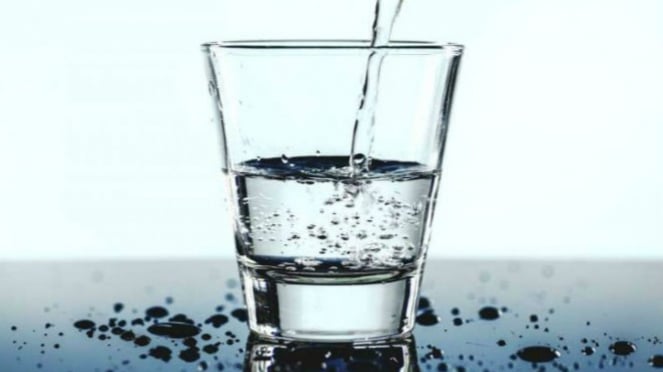
Ilustrasi air putih.
- Pixabay
2. Digestive Issues
Inadequate water intake can lead to constipation and other digestive problems. Water helps soften stool and aids in the movement of food through the digestive tract. Without enough water, the digestive process can become sluggish, leading to discomfort and irregular bowel movements.
3. Skin Health
Dehydrated skin can become dry, flaky, and more prone to irritation. Long-term dehydration can contribute to premature aging and the development of wrinkles, as well as impair the skin's ability to heal from injuries and infections.
4. Cardiovascular Health
Dehydration can lead to a decrease in blood volume, which in turn can lead to decreased blood pressure and reduced circulation. Over time, this can put additional strain on the cardiovascular system and increase the risk of heart-related issues.
5. Temperature Regulation
Adequate hydration is necessary for the body to regulate its temperature. Dehydration can make it more difficult for the body to cool itself through sweating, increasing the risk of heat-related illnesses, especially in hot environments.