Mastodon vs Twitter: Which One Better?

- TechCrunch




Jakarta – Twitter or now known as X and Mastodon, while both serving as social media platforms, different significantly in their underlying principles and user experiences.

X stands as a centralized juggernaut, controlled by one company, with a vast global user base. Meanwhile, Mastodon adheres to a decentralized model, featuring numerous independently operated instances, each with its unique rules and governance.
At this point, you know there are problems with X. Even if you haven’t been paying attention to the latest news on a day-to-day basis, you know that there have been serious issues over at the iconic bird-themed site for a while now.

Since Elon Musk officially became owner and CEO of Twitter, Inc. on October 27th, 2022, these problems have only become more apparent.
Naturally, many have sought an alternative site to get away from Twitter before the ship completely sinks. Rival site Mastodon is one of the most popular alternatives, but how do Mastodon vs Twitter actually compare? as reported from Welivesecurity site.

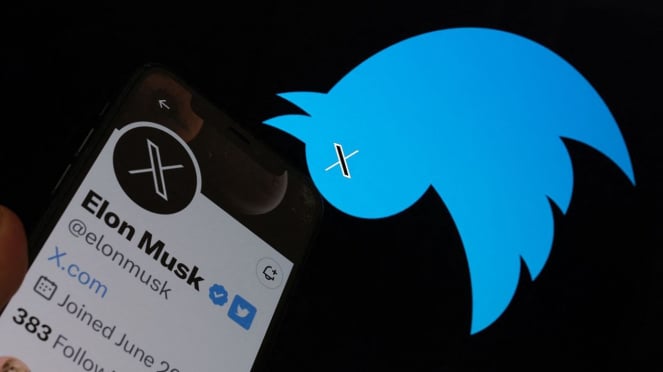
Logo X Twitter.
- AFP
1. Centralized vs decentralized
X is owned and operated by Twitter, Inc., a single company that defines the social network’s policy, moderation rules, and general organization. Just like Meta owns and operates Facebook or Instagram, for example.
On the other hand, Mastodon is fully decentralized. Mastodon gGmbH is a nonprofit responsible for developing open-source software, in this case Mastodon.
But, unlike Twitter, this means that anyone, whether an individual or an entity, can take advantage of the code to create their own ‘mini social networks’, all of them being interconnected and able to communicate with each other and together making up the Mastodon universe known as the fediverse.
That is to say, each Mastodon server is a completely independent entity, able to interoperate with others to form one global social network.
In practice, each of these servers (also known as instances) is created to gather users based on common interests, such as music, hobbies, or professions; a common identity like nationality, religion, or sexual and gender identity; or a cause, such as climate action.