5 Zombie Animals in Real World

- Smithsonian Magazine




VIVA – Zombie is a term used for the undead that prey on humans. Zombie usually only happen in Hollywood or Korean movies. But, actually in the animal world, the phenomenon is quite common because many animals and parasites attack other animals and make their hosts helpless like zombies.

This practice has been carried out by several animals that we may not be aware of. Some of them do these activities to survive, making them their homes, food, and even slaves. Here are 5 zombie animals in real world:
1. Wasp
tawon Hymenoepimecis argyraphaga
Photo :
- Tangkapan Layar
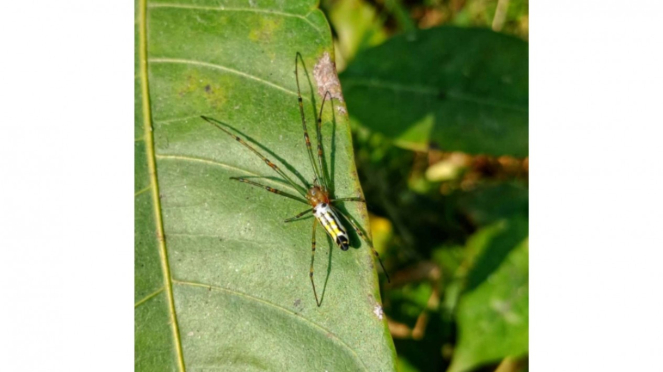
tawon Hymenoepimecis argyraphaga
- Tangkapan Layar

The wasp species Hymenoepimecis argyraphaga is a type of parasite that uses spiders as its slaves and food. This wasp will paralyze its prey with a sting.
When paralyzed, this insect will lay its eggs in the spider's stomach. When the eggs hatch, the wasp larvae will live inside the spider by sucking the spider's body fluids as their food.

After a few weeks, the larvae of the wasp Hymenoepimecis argyraphaga will poison the spider with a chemical that can change the spider's behavior. At this stage, the spider has become a 'zombie' that only hosts the wasp until it is old enough to fly.
2. Worms
cacing Nematomorpha
Photo :
- Tangkapan Layar
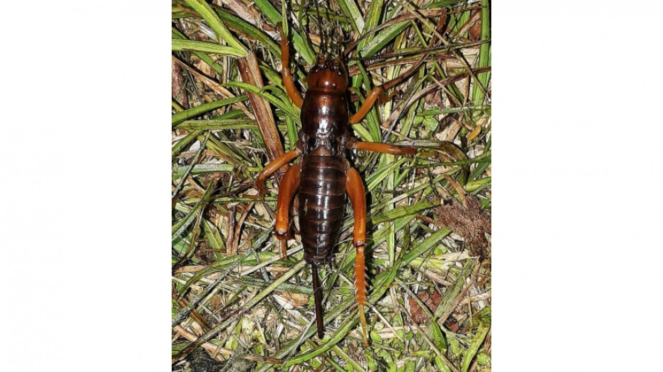
cacing Nematomorpha
- Tangkapan Layar
This type of Nematomorph worm is one that lives in the body of a grasshopper or cricket. When they are old enough, they will use the protein to take over their host's central nervous system. This worm will force its host to jump into the nearest water.
The adult worms will then leave their host and start looking for partners to breed. In this stage, the host will die after being used as a place to live by Nematomorph worms.
3. Emerald Jewel Wasp
tawon Emerald jewel wasp
Photo :
- Tangkapan Layar

tawon Emerald jewel wasp
- Tangkapan Layar
Almost similar to the wasp Hymenoepimecis argyraphaga, this Emerald jewel wasp is a type of gem wasp or parasitic wasp that grows inside other animals. This type of wasp uses cockroaches as its host. When the adult female wasp is ready to lay her eggs, she will land on the keca's back and stab it with a sting.