5 Zombie Animals in Real World

- Smithsonian Magazine


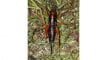


In an instant, the cockroach will be paralyzed and unable to move. After that, this wasp will inject poison into the cockroach's head which makes it have to follow the wasp's orders. The cockroach's body will be a place to live as well as a food source for wasp larvae.

4. Wasp or Glyptapanteles
tawon yang berasal dari genus Glyptapanteles
Photo :
- Tangkapan Layar

tawon yang berasal dari genus Glyptapanteles
- Tangkapan Layar
Still from the type of wasp but with a different species, this wasp from the genus Glyptapanteles is a parasite that uses other animals as its host. This type of female wasp will lay her eggs in the caterpillar's body which will then hatch and come out as larvae. Larvae that come out will begin to pupate and adult wasps.

However, other wasp larvae will remain in the caterpillar's body and control the caterpillar's body to serve as a guard. The larvae of this parasite will force the caterpillar's body to protect their cocoons from predators. When the adult wasp emerges from the cocoon, the caterpillar is left to die of starvation.
5. Ants Mushrooms
Jamur Ophiocordyceps unilateralis
Photo :
- Tangkapan Layar

Jamur Ophiocordyceps unilateralis
- Tangkapan Layar

Ophiocordyceps unilateralis is a type of fungus that uses the body of ants to survive. The spores of this fungus enter through the hole in the ant's body which will then grow and consume the ant's internal organs.
Even more sinister, these ants have to stay alive so the fungus can consume their soft tissue.
When this fungus is mature enough to reproduce, it poisons the ant's brain and takes over its body. At this stage, the ant loses control of its body. The fungus will later grow from the ant's head and release spore powder which will infect other ants.

Mod Baru Resident Evil Requiem Bikin Kiamat Zombie Makin Brutal
Mod Bite Club di Resident Evil Requiem membuat kiamat zombie terasa lebih brutal. Perilaku zombie lebih agresif dan tak terduga, menghadirkan pengalaman survival baru.