Taliban Plans to Block Facebook Access in Afghanistan

- Instagram/@sykorce


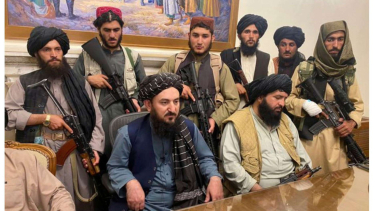
Afghanistan – The Taliban in Afghanistan have announced plans to restrict or completely block access to Facebook, a move condemned by rights activists.

The Taliban’s acting minister of telecommunications and information technology Najibullah Haqqani confirmed the plans in an interview with Kabul-based TOLO News last week, as quoted from the Independent site.
Reeling from two decades of siege and war, millions of people in Afghanistan have limited access to cellular services and internet connection in a widening information blackout.


Taliban Afghanistan
- X
The authorities have already banned education and work for girls and women, formal education institutions, entertainment through music, salon and grooming services, and the presence of women in national parks, public spaces and parks.

The hardline Islamist regime has also banned Facebook pages for foreign news outlets including the BBC, the US Congress-funded Voice of America and Radio Free Europe/Radio Liberty, and the German public broadcaster Deutsche Welle but these are still accessible to readers inside the country, the Committee to Protect Journalists (CPJ) said on Monday.
The hardline Islamist regime has also banned Facebook pages for foreign news outlets including the BBC, the US Congress-funded Voice of America and Radio Free Europe/Radio Liberty, and the German public broadcaster Deutsche Welle but these are still accessible to readers inside the country, the Committee to Protect Journalists (CPJ) said on Monday.
"The decision to block Facebook in Afghanistan will be a further blow to freedom of information in the war-battered country," the CPJ said.
It also pointed to detention of journalists in Afghanistan, closure of Afghan news websites and the restricting of access to foreign media outlets.
CPJ’s Asia programme coordinator Beh Lih Yi condemned the latest plan by the Taliban’s caretaker regime.
“Social media platforms, including Facebook, have helped to fill a void left by the decline of the Afghan media industry since the Taliban’s August 2021 takeover and the ensuing crackdown on press freedom. The proposed ban highlights the worsening censorship by the Taliban,” she remarked.